

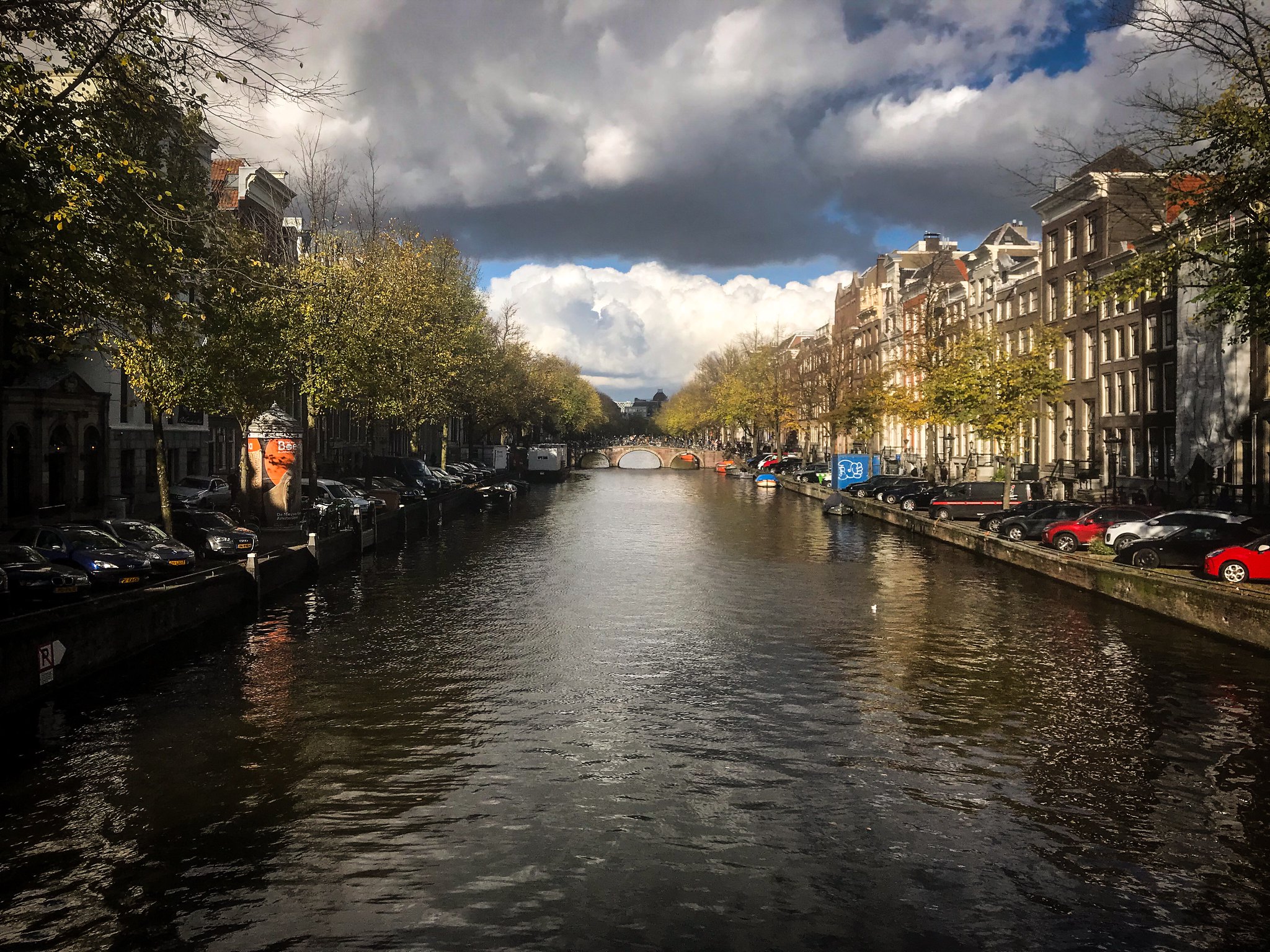
Europe
Europe, second smallest of the world’s continents, composed of the westward-projecting peninsulas of Eurasia (the great landmass that it shares with Asia) and occupying nearly one-fifteenth of the world’s total land area.The geologic record of the continent of Europe is a classic example of how a continent has grown through time. The Precambrian rocks in Europe range in age from about 3.8 billion to 541 million years. They are succeeded by rocks of the Paleozoic Era, which continued to about 252 million years ago; of the Mesozoic Era, which lasted until about 66 million years ago; and of the Cenozoic Era (i.e., the past 66 million years). The present shape of Europe did not finally emerge until about 5 million years ago. If you are interested in booking a ticket, please click here.

Good to Know
Read the Quick facts about Africa!
Chronological summary
The geologic development of Europe may be summarized as follows. Archean rocks (those more than 2.5 billion years old) are the oldest of the Precambrian and crop out in the northern Baltic Shield, Ukraine, and northwestern Scotland. Two major Proterozoic (i.e., from about 2.5 billion to 541 million years ago) orogenic belts extend across the central and southern Baltic Shield.





Leave a Reply
Do you have some comments or questions for us? We’d love to hear from you! Don’t be shy! Feel free to drop us a message!